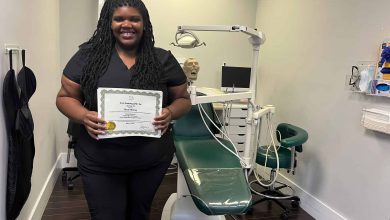
Step-by-Step Guide: How to Train and Start a Career as a Dental Assistant

Let’s be honest—getting into the dental field can feel overwhelming. But becoming a dental assistant is one of the most accessible and rewarding paths into healthcare. You don’t need years of school, but you do need the right training.
Dental assistants are the backbone of any dental practice. They support dentists, care for patients, and help keep everything running smoothly. If you’ve got strong communication skills, a calm demeanor, and an eye for detail, this could be the perfect role for you.
So how do you actually get trained? What certifications do you need? And where do you even start?
Let’s break it down.
Understanding the Role of a Dental Assistant
Before diving into training, it’s important to know what you’re signing up for.
Key Responsibilities
-
Patient Care
Preparing patients for treatments and easing their concerns
-
Chairside Assistance
Handing instruments to the dentist, suctioning, and keeping the procedure smooth
-
Radiography
Taking X-rays and understanding radiation safety
-
Sterilization Protocols
Keeping everything sanitary and safe
-
Admin Tasks
Scheduling, billing, and managing records
You might work in private practices, hospitals, or public clinics. Flexibility is a huge plus in this career.
Learn more about the dental assistant role from the American Dental Association.
Educational Pathways: Where to Start
At the very least, you’ll need a high school diploma or GED. From there, enrolling in a certified dental assistant program is the next step.
If you’re in North Carolina, consider checking out the Dental Assistant Program at DA Academy of NC. Their hands-on approach and flexible scheduling make it easier to get started.
What You’ll Learn in a Good Program:
-
Dental Terminology
So you can speak the same language as the rest of the team
-
Infection Control
Keeping patients and staff safe is a top priority
-
Chairside Techniques
Real-world procedures and how to assist with them
-
Radiography
How to take and process dental X-rays safely
-
Office Management
Scheduling, billing, and handling insurance
Most programs also include externships or clinical rotations. These are crucial for getting real-world experience.
The Importance of Practical Training

You can read all the textbooks in the world, but nothing compares to actually working in a dental office.
Why Externships Matter:
-
Real-World Application
You’ll get to apply what you’ve learned in real patient care scenarios
-
Skill Building
Improve both your technical and people skills
-
Networking
Meet potential employers and mentors
Programs like DA Academy of NC integrate externships, giving you an edge in job hunting.
Getting Certified
While certification requirements vary by state, getting certified is often essential for better job prospects.
Key Benefits of Certification
- Validates your skills and knowledge
- Boosts your resume
- Opens doors to better-paying positions
One highly regarded certification is the Certified Dental Assistant (CDA) offered by the Dental Assisting National Board (DANB). Learn more about the CDA process here.
Also, if you’re in North Carolina, consider adding skills like Coronal Polishing to boost your qualifications.
Online vs. In-Person Training
Online training can be convenient, but it has some clear limitations:
- Less Hands-On Experience: You might not get the practice you need
- Limited Interaction: Less face time with instructors and peers
- Technology Issues: Not everyone has reliable internet or tech skills
Whenever possible, choose a hybrid or in-person program that includes clinical hours. It makes a big difference.
Career Growth: Beyond Entry-Level
Once you have experience, there are many ways to level up your career:
- Specialize in areas like orthodontics, oral surgery, or pediatric dentistry
- Advance to become a licensed dental hygienist with further education
- Transition into administrative or managerial roles
- Pursue a degree in dentistry if you’re aiming for the top
The dental field offers more upward mobility than many people realize.
Job Outlook: Strong and Stable
According to the Bureau of Labor Statistics (source), employment for dental assistants is projected to grow 8% from 2021 to 2031. That’s faster than average.
Why the demand?
- Aging population needing more dental care
- Better awareness of oral hygiene
- New technologies requiring skilled operators
Most jobs are in private practices, but clinics, hospitals, and public health organizations are also options.
Ready to Begin? Take the First Step Today
Becoming a trained dental assistant is more than just a job choice—it’s a chance to make a real impact on people’s lives. It offers stability, room to grow, and a fulfilling daily routine.
If you’re serious about this path, take action today. Explore programs like DA Academy of NC, ask questions, and start building your future.
FAQs about Get Trained to be a Dental Assistant

What is the fastest way to become a dental assistant?
Enrolling in an accelerated dental assistant training program is the quickest route. These programs typically take between 6 to 9 months and include hands-on training and externships. Some schools offer flexible schedules, allowing students to finish even faster with intensive coursework and weekend classes.
What is the highest pay for a dental assistant?
The highest pay for dental assistants can exceed $60,000 annually, particularly for those with specialized certifications like Expanded Function Dental Assistant (EFDA) or who work in high-demand urban markets. Pay varies based on location, experience, and area of specialization.
What is the top level dental assistant?
The top level is typically the Expanded Function Dental Assistant (EFDA). EFDAs are trained to perform advanced procedures such as placing fillings or temporary crowns, making impressions, and administering certain types of anesthesia. This requires additional education and certification.
How much do dental assistants make in the USA?
The average salary for a dental assistant in the U.S. is around $44,820 per year according to the Bureau of Labor Statistics. However, pay can range from $35,000 to over $60,000 depending on the state, type of practice, and experience level.
Is dental a good career in the USA?
Yes, the dental field offers stable employment, competitive salaries, and a variety of advancement opportunities. With consistent demand across the country, dental assistants enjoy job security and the ability to specialize or transition into higher-level roles over time.
How much does it cost to become a dental assistant in the US?
The cost ranges from $3,000 to $13,000 depending on the program and location. This includes tuition, books, supplies, and certification exam fees. Financial aid or scholarships may be available to help reduce the out-of-pocket expense.
How long is a dental course in the USA?
Dental assistant programs usually take 9 to 12 months to complete, while associate degrees in dental hygiene require about 2 years. To become a dentist, expect a total of 8 years—4 for undergraduate studies and 4 for dental school.
What is the fastest way to become a dentist?
The quickest path involves completing a 4-year undergraduate program followed by a 4-year dental program, sometimes condensed through accelerated programs. Students can also take advanced placement credits in high school to reduce college course load.
What is the best dental school?
Top U.S. dental schools include the University of Michigan School of Dentistry, Harvard School of Dental Medicine, and University of North Carolina at Chapel Hill. These institutions are known for academic rigor, research opportunities, and strong clinical training.
Which study is best for dentists?
Pre-dental studies often focus on biology, chemistry, anatomy, and physiology. A solid science foundation is essential. Most dental schools require coursework in organic chemistry, microbiology, and physics as part of the admissions process.
Which country is best for dentistry?
The U.S., UK, Canada, and Australia are among the top countries for dental education due to their accredited programs, research facilities, and licensing systems. Each country has different standards and pathways for international students.
Which is the easiest field in dentistry?
Preventive dentistry, including dental hygiene, is generally considered less complex than surgical specialties. It focuses on routine cleanings, patient education, and maintenance of oral health without intensive procedures or surgeries.
Which is best, dentist or MBBS?
It depends on your interest. Dentists specialize in oral health, treating issues like cavities, gum disease, and tooth extractions. MBBS leads to a career in general medicine or surgery. Both are prestigious but serve different healthcare needs.